A cultural message dressed in new language. A renewed commitment to efficiency. A sudden pivot to ROI. None of these moments are new. They are recurring points on a cycle that has shaped the industry for decades.
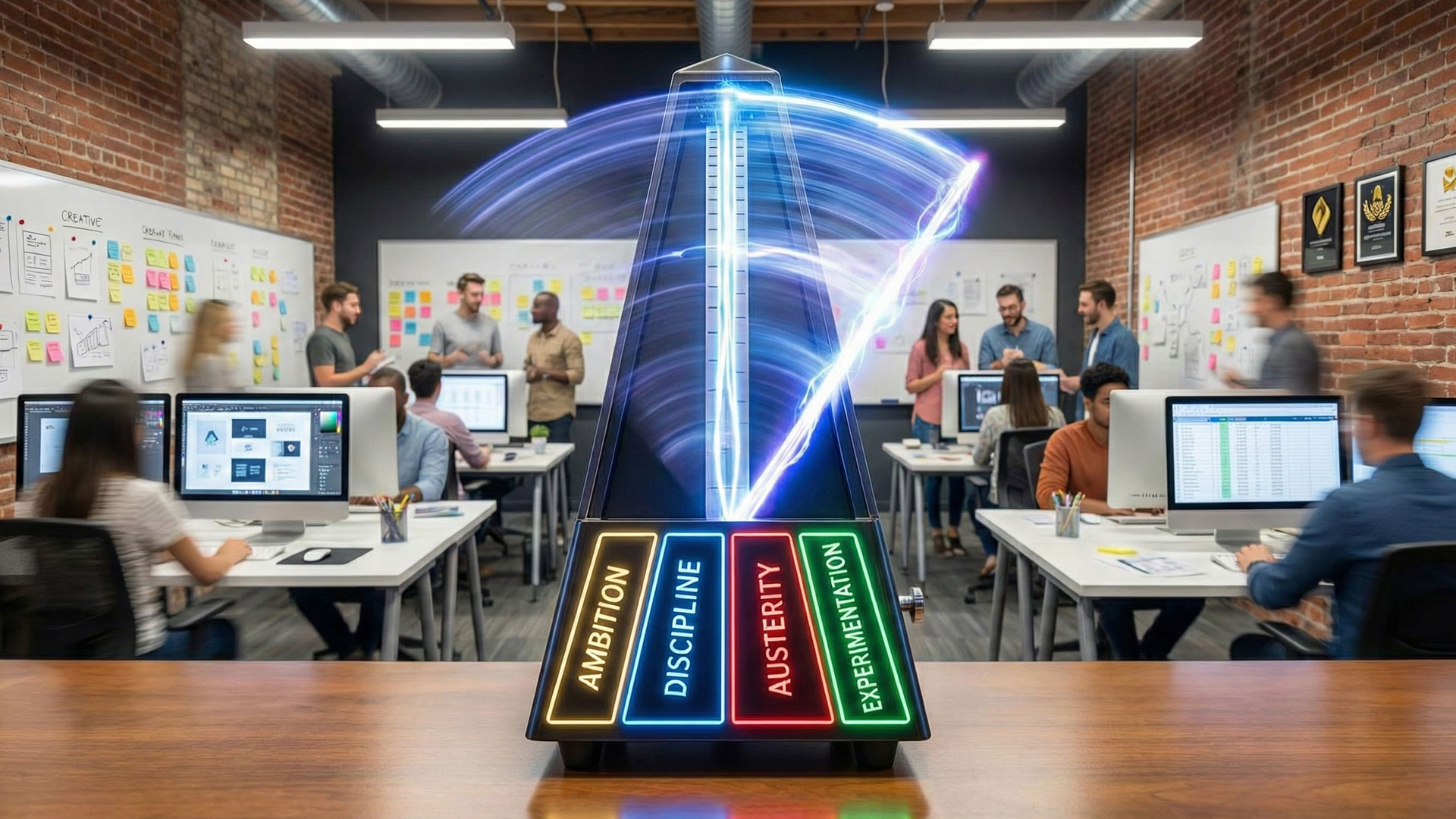
Marketing runs on a predictable rhythm. It moves from ambition to discipline, from discipline to austerity, and from austerity back to experimentation. The timelines shift, but the pattern rarely does. Understanding this cycle has become essential for modern leaders managing volatility in consumer behavior, retail dynamics, and marketplace economics.
Today’s landscape accelerates these shifts. Retail media networks grow faster than internal teams can absorb. Shopper expectations evolve with every algorithmic update. CFOs apply new scrutiny as budgets move toward channels with measurable returns. As these pressures intensify, the cycle doesn’t disappear. It speeds up. This piece outlines the four stages that define the modern marketing cycle and how leaders can navigate them.
Why Brands Try to Shape Culture
Premium cycles emerge when brands have confidence, growth, and financial room to pursue ambition. The goal extends beyond transactions. The brand wants cultural relevance, fame, or symbolic value.
Historically, these moments were defined by celebrity partnerships or cinematic campaigns. Today, the equivalents appear in large-scale retail media takeovers, TikTok cultural plays, cross-platform storytelling, and omnichannel brand films. Apple, Pepsi, and Nike once embodied this stage. More recently, Liquid Death and Dove have revived it with work that travels far beyond the product.
Premium moments succeed when they align with consumer energy. They fail when deployed against the grain of the market. Many CPG brands have learned this the hard way. As categories shift toward value, convenience, or functional benefit, premium halo work can become misaligned with shopper intention.The risk is not the ambition itself. The risk is assuming a brand can remain in this phase indefinitely. Premium strategies require sustained confidence and supportive conditions. When market share slows or external pressure increases, the cycle begins to turn.
When the Organization Counts
Efficiency cycles emerge in moments of disruption. A recession, a leadership change, a shift in trade terms, or a sudden decline in velocity forces brands to reconsider their cost structures. Investments narrow. Procurement gains influence. Agencies are asked to deliver more with fewer resources. Teams reduce creative scope and concentrate on core channels that reliably drive volume.
During Efficiency, marketing is evaluated through the lens of necessity. Retail media budgets consolidate around proven SKUs. Shopper programs focus on immediate value. Campaigns become tactical. Internal bandwidth tightens, and experimentation pauses.
While Efficiency can feel restrictive, it often reveals structural issues hidden during growth periods. It exposes bloated processes, unproductive spend, and misalignment between teams. Yet if this cycle lingers too long, brands risk losing identity and differentiation. Price becomes the only message. Private label competitors strengthen. Long-term brand equity erodes quietly.The turning point is often operational. Conditions stabilize, or leadership recognizes diminishing returns. When that happens, experimentation becomes possible again.
The progression from Premium to Performance to Efficiency and back to Rebuild has always shaped marketing. What has changed is the speed. With retail media accelerating spend cycles, consumer sentiment shifting weekly, and quarterly financial pressure intensifying, brands now move through these phases quickly and sometimes simultaneously across departments.
The pattern is not a failure of strategy. It is the natural rhythm of a market driven by growth expectations, competitive pressures, and constant change. Leaders who anticipate the cycle rather than react to it can make better decisions, reduce internal conflict, and avoid misaligned investments.
The goal is not to resist the cycle or bend it into a straight line. The goal is to recognize where the brand sits, understand what the moment requires, and act with clarity rather than nostalgia or panic.
Mastering the cycle is not about prediction. It is about preparedness.