Why Brands Try to Shape Culture
With increasing privacy concerns and regulations, tracking users through digitally is becoming less viable. This shift has made first-party data collected by retailers more valuable than ever. Because retailer first-party data is direct and refreshed on an ongoing basis, it delivers stronger targeting and conversion than broad third-party segments whose provenance and recency are often impossible to verify.
The future of the retail media industry is leveraging first-party data, both onsite and offsite, backed with attributed reporting and measurement. With the right strategy, first-party data empowers retailers and brands to better understand their customers, enhance personalization, comply with evolving data privacy regulations, and gain a competitive advantage.
Brands must take advantage of first-party data and create data collaboration opportunities when they present themselves to continue to fine tune their approach and hyper-target audiences most likely to convert.
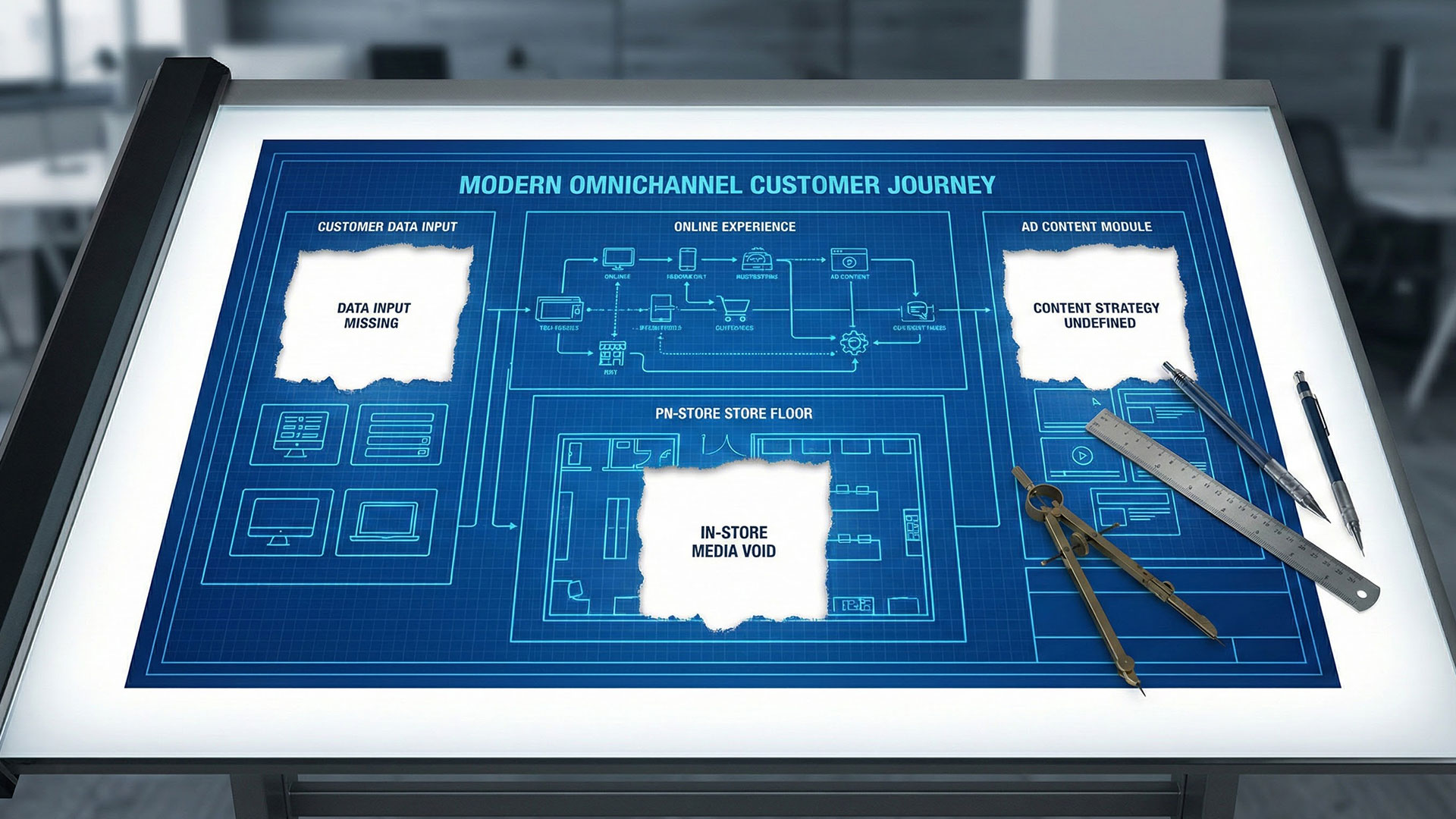
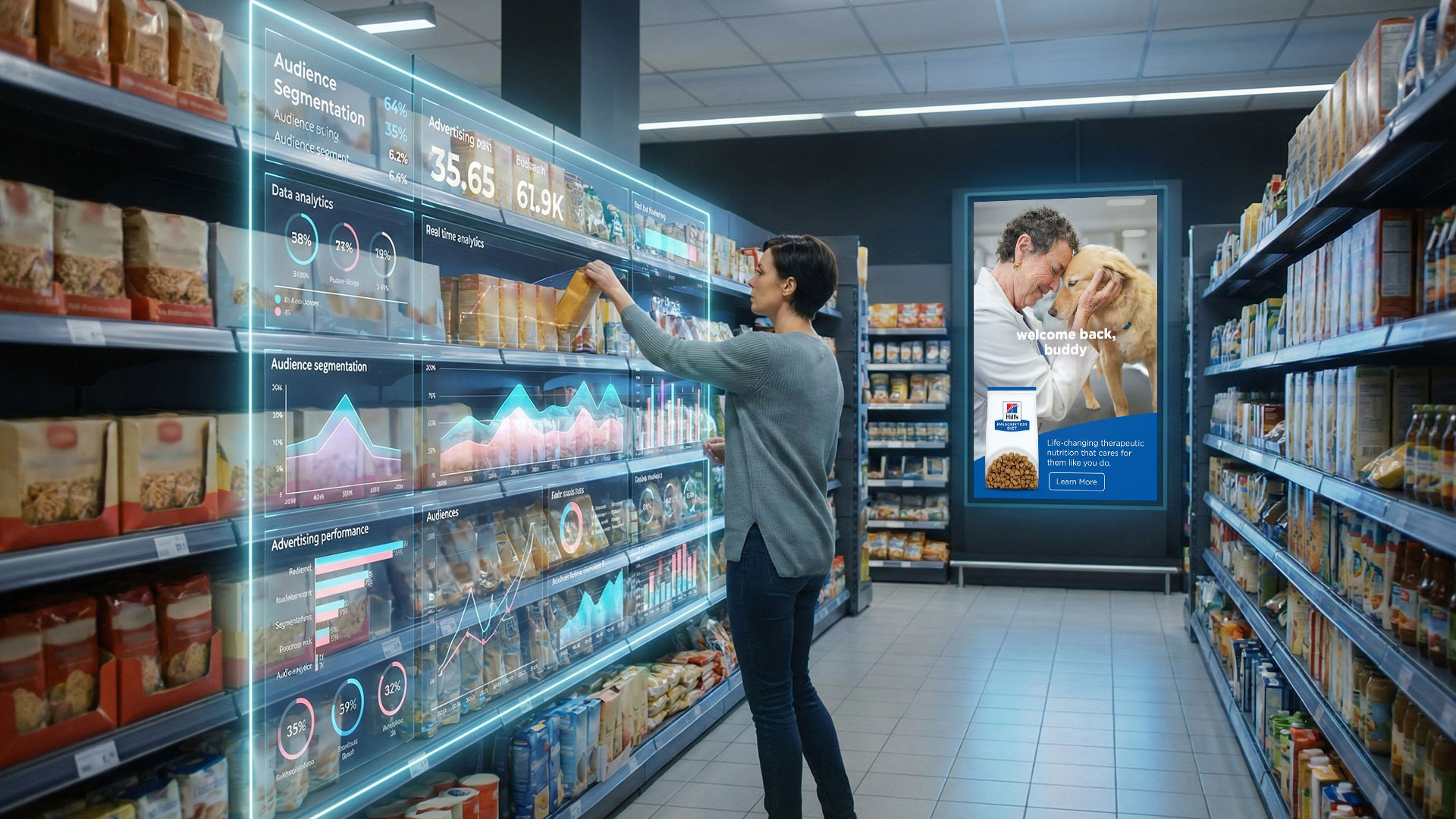
Manybrands still overlook the growing opportunity of in-store retail mediaavailable via digital screens, shelf displays, and real-time, data-driventouchpoints inside physical stores. With shoppers at peak purchase intent,in-store placements can significantly influence decisions when paired withretailer first-party data.
Brandsshould begin treating physical retail as a true media channel by integrating itinto omnichannel plans, investing in measurable in-store formats, andcoordinating messaging across online and offline touchpoints. Even withoutperfect attribution, early adopters can gain a competitive advantage by testingformats, building retailer partnerships, and aligning creative with the shoppermoment.
A Retail Media Performance Multiplier
Creative plays a significant role in the success of retail media campaigns. Brandsshould invest in creative talent capable of producing compelling, effectivecontent that takes full advantage of the retailer environment.
By leveraging the rich first-party data from retailers, brands can craft tailored messages that resonate with specific shopper segments rather than one-size-fits-all ads. Investing in formats and creative strategies that respond to the shopper moment (e.g. in-store vs.on-site) amplifies relevance and drives stronger results. As brands collaborate with retailers on segmentation, building creative variations aligned with audience mindset and funnel stage, will help turn retail media from a basic placement into high-impact personalized storytelling.